
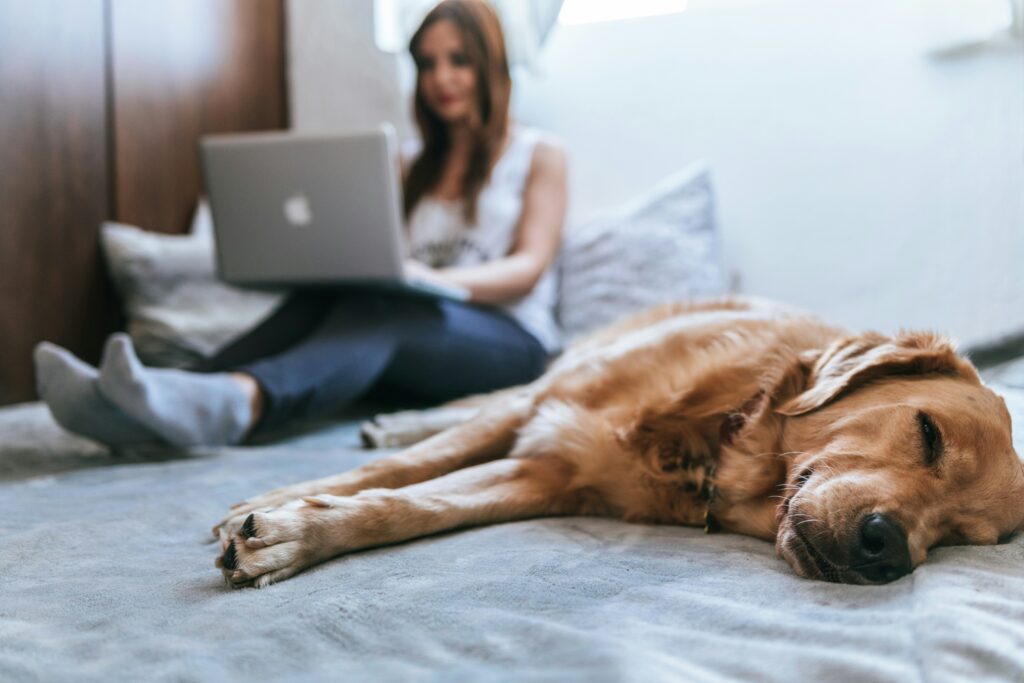
Work from home is not a new concept. It is a capability that was tested at scale during COVID and, in many ways, proven under pressure. What organisations are dealing with now is not a transition, but the responsibility of applying those lessons in a more deliberate and sustainable way.
During COVID, work from home was implemented out of necessity. Speed mattered more than structure, and continuity of operations took priority over optimisation. Many organisations made it work, but often through effort rather than design. What was achieved demonstrated what is possible, but not always what is effective in the long term.
From an Australian lens, the experience reinforced both the viability and the complexity of remote work. Organisations maintained operations at scale, supported by relatively strong digital infrastructure and policy settings. At the same time, it exposed challenges in leadership capability, maintaining culture, and sustaining productivity over extended periods. The ongoing conversation has increasingly focused on how to balance flexibility with performance in a sustainable way.
In Malaysia, the experience was equally significant, shaped by the Movement Control Order introduced during the COVID-19 pandemic. Organisations across sectors rapidly adapted to remote work, often with varying levels of digital readiness. While many were able to maintain continuity, the experience highlighted structural gaps, including uneven access to technology, varying levels of managerial capability, and challenges in maintaining consistent performance.
Across both contexts, a consistent lesson emerges. Work from home is not simply about where work happens. It is about how work is designed, led, and experienced. The current environment requires a more considered approach. Work from home needs to be treated as a way of working that is intentionally designed, not simply continued.
Clarity is critical. Expectations, deliverables, and timelines must be clearly defined so that performance is consistent and measurable. Trust must be supported by accountability. Leaders need to focus on outcomes rather than activity, while individuals take ownership of their responsibilities and communicate progress with discipline.
Importantly, effective work from home is not solely the responsibility of organisations or employers. Employees are equally responsible for making it work. This includes managing their time effectively, maintaining productivity, communicating proactively, and demonstrating accountability for outcomes. Without this shared responsibility, even the best designed systems will fall short.
Communication needs to be structured and purposeful. Clear check ins, defined channels, and agreed response expectations create alignment without overwhelming teams. Digital capability must evolve into digital discipline. Tools should enable productivity, not create complexity. Information needs to be centralised, and ways of working consistent.
Protecting focus is essential. One of the clearest lessons from COVID was that flexibility without discipline can erode productivity. Sustained performance requires prioritisation, reduced unnecessary meetings, and space for focused work.
Connection and culture require deliberate effort. Without intentional leadership, engagement can weaken over time. Reinforcing purpose and maintaining connection to meaningful work is critical. Boundaries must also be clearly defined. Extended working hours during COVID highlighted the risk of burnout. Sustainable performance depends on the ability to maintain clear separation between work and personal time.
What both Australia and Malaysia demonstrate is that work from home can function at scale, but effectiveness is not automatic. It depends on leadership, clarity, discipline, and shared accountability.
Ultimately, work from home has already been proven in practice. The question is no longer about feasibility, but about discipline, design, and shared accountability. Organisations must provide the structure, clarity, and leadership to enable performance, while individuals must match that with ownership, professionalism, and consistency in delivery. When both sides take responsibility, work from home moves beyond being a response to a crisis and becomes a sustainable, high performing way of working that strengthens productivity, trust, and outcomes over the long term.

Sheila
Developing people. Strengthening performance. Supporting what matters.